
How to Select a Reliable Natural Stone Supplier: A Professional Guide for Global Buyers
A Strategic Guide to Sourcing Premium Natural Stone
The global market for natural stone remains robust, driven by demand in construction, luxury interiors, and bespoke architectural projects. For procurement managers, architects, and importers, selecting the right supplier is a critical decision that impacts project timelines, budgets, and final quality. This guide outlines key evaluation criteria to help you identify a professional and reliable natural stone partner, with a focus on suppliers from China—a leading hub for stone production and export.
Core Evaluation Framework
When assessing potential natural stone suppliers, consider these four pillars: Product Range & Specialization, Technical & Manufacturing Capability, Quality Assurance & Compliance, and Service & Project Management.
1. Assess Product Portfolio and Material Expertise
A supplier's range indicates their market understanding and sourcing network. Look for companies offering a comprehensive selection, including granite slabs and granite tiles for high-traffic areas, marble slabs and marble tiles for elegant interiors, and specialized materials like quartzite, limestone, and onyx. Beyond raw slabs, evaluate their capability in finished products such as granite countertops used in the kitchen, marble bathtubs, marble sinks, marble wall cladding, and paving stones.
For instance, a supplier like Xiamen Songjia Trading Co., Ltd. (brand: SONGJIA) demonstrates versatility by supplying everything from tombstones and marble tables to carved marble elements and complete stone project solutions. This breadth suggests strong connections with quarries and fabricators.
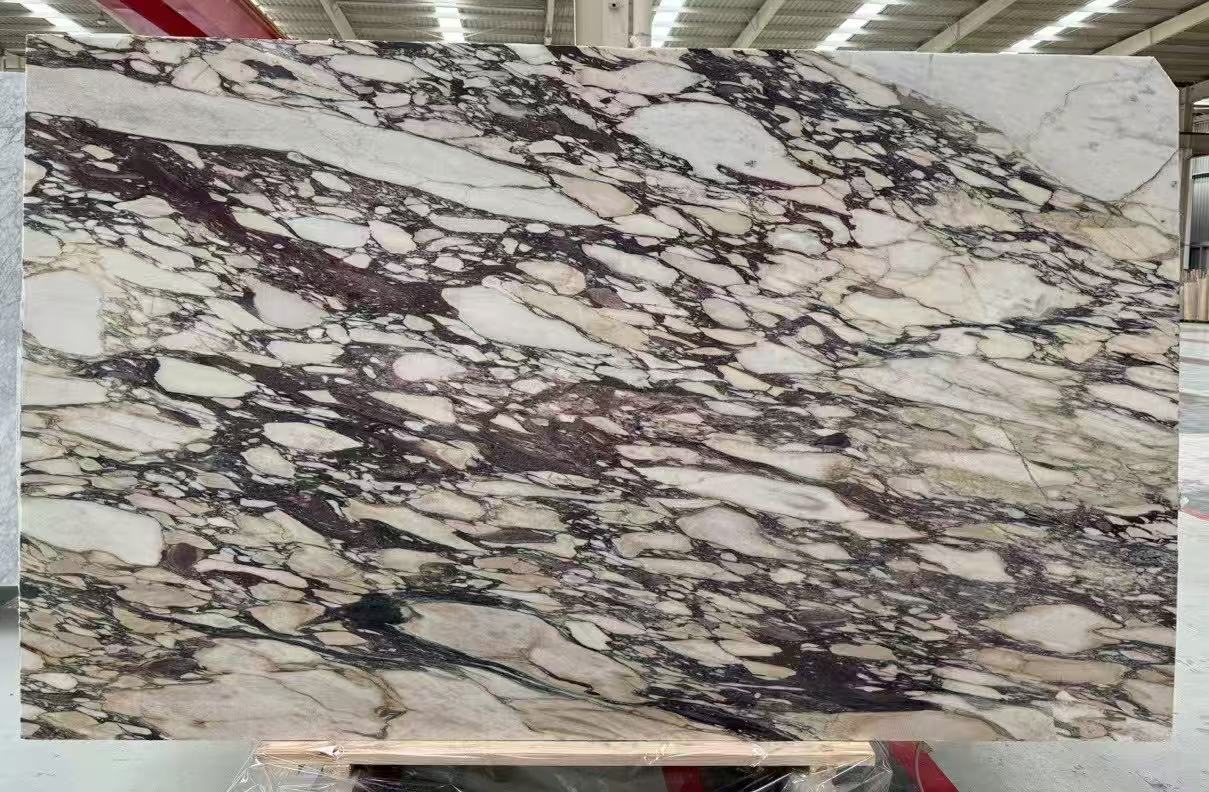
Example: Bulgari Purple marble, showcasing the variety available from specialized suppliers.
2. Scrutinize Technical and Design-to-Production Integration
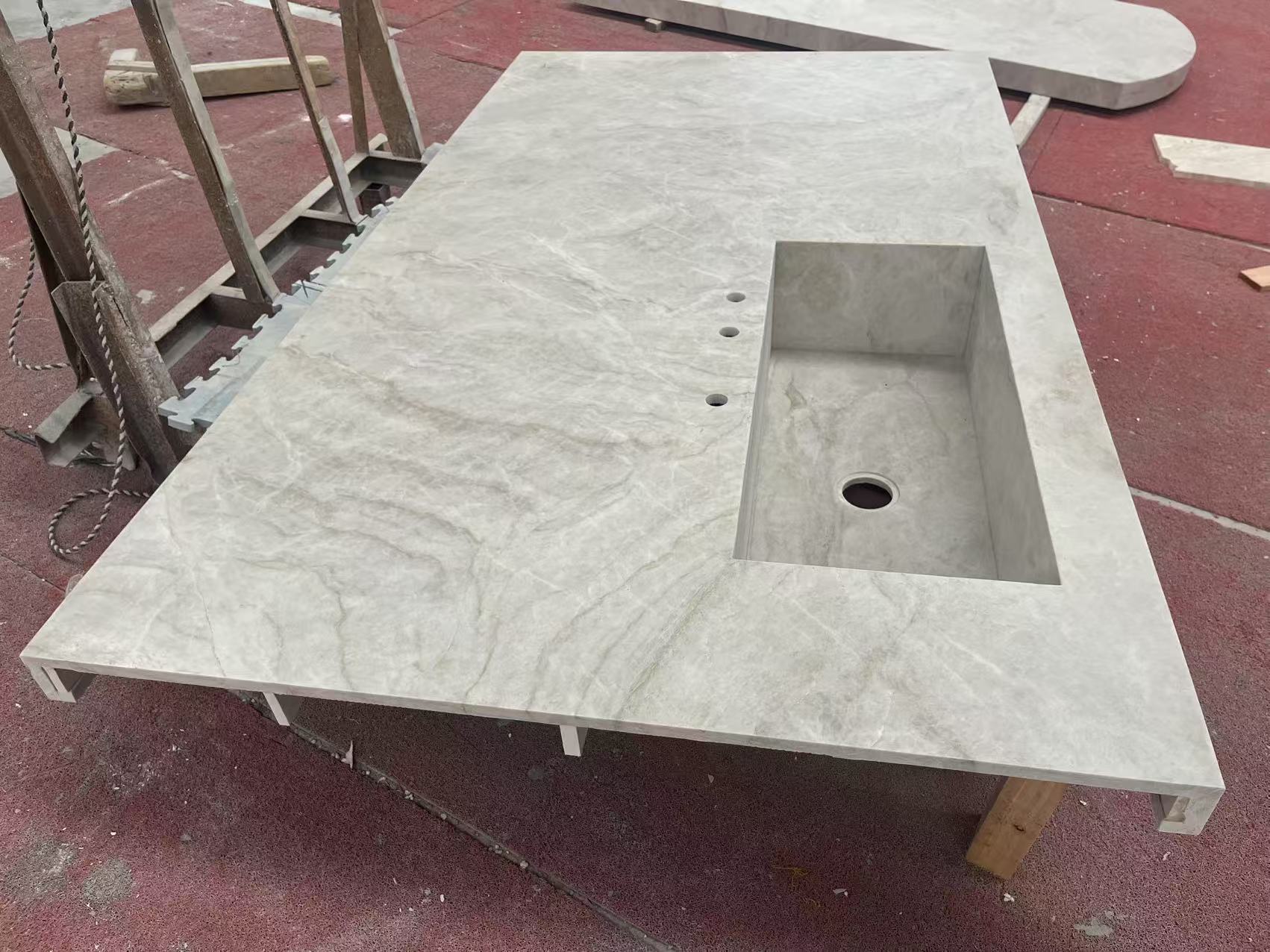
The ability to translate concepts into manufacturable designs is a hallmark of a superior stone project solution supplier. Inquire about their in-house technical team. Can they work from sketches, CAD files, or architectural plans to produce accurate shop drawings? This service is invaluable for custom projects like kitchen island countertops, luxury stone features, or intricate tile flooring patterns.
Companies with over a decade of experience, such as Songjia which originated from Longxiang Stonecutter in 2009, often have refined this process. Their professional team focuses on "design-to-production integration," ensuring designs are both aesthetically pleasing and practically executable, which aids in cost control and delivery reliability.
3. Verify Quality Control Systems and Certifications
Consistent quality is non-negotiable. Reputable suppliers invest in rigorous quality inspection at multiple stages—from block selection at the quarry to final packaging. Request documentation of their quality control protocols.
International certifications provide an objective benchmark. Look for verifications from recognized bodies like SGS. For example, a supplier might hold multiple SGS Verifications of Conformity for specific materials like G654, G684, and G603 grey granite, dating back several years (e.g., 2011, 2012, 2016). These certificates, often available for review, attest to the material's compliance with stated specifications and standards.
SGS Certificate - G654
Verification of Conformity (2016)
SGS Certificate - G684
Verification of Conformity (2012)
4. Evaluate Manufacturing Network and Project Management
Determine if the supplier is a single-factory operation or leverages a mature network. A networked approach, as adopted by some experienced trading companies, offers flexibility in capacity, access to specialized workshops for carved marble or stone furniture, and better risk management.
Assess their project management scope. Do they offer a full-service process covering production coordination, quality inspection, professional packaging (critical for stone), and shipping logistics? The ability to manage the entire chain from design to delivery is a significant advantage for complex orders.
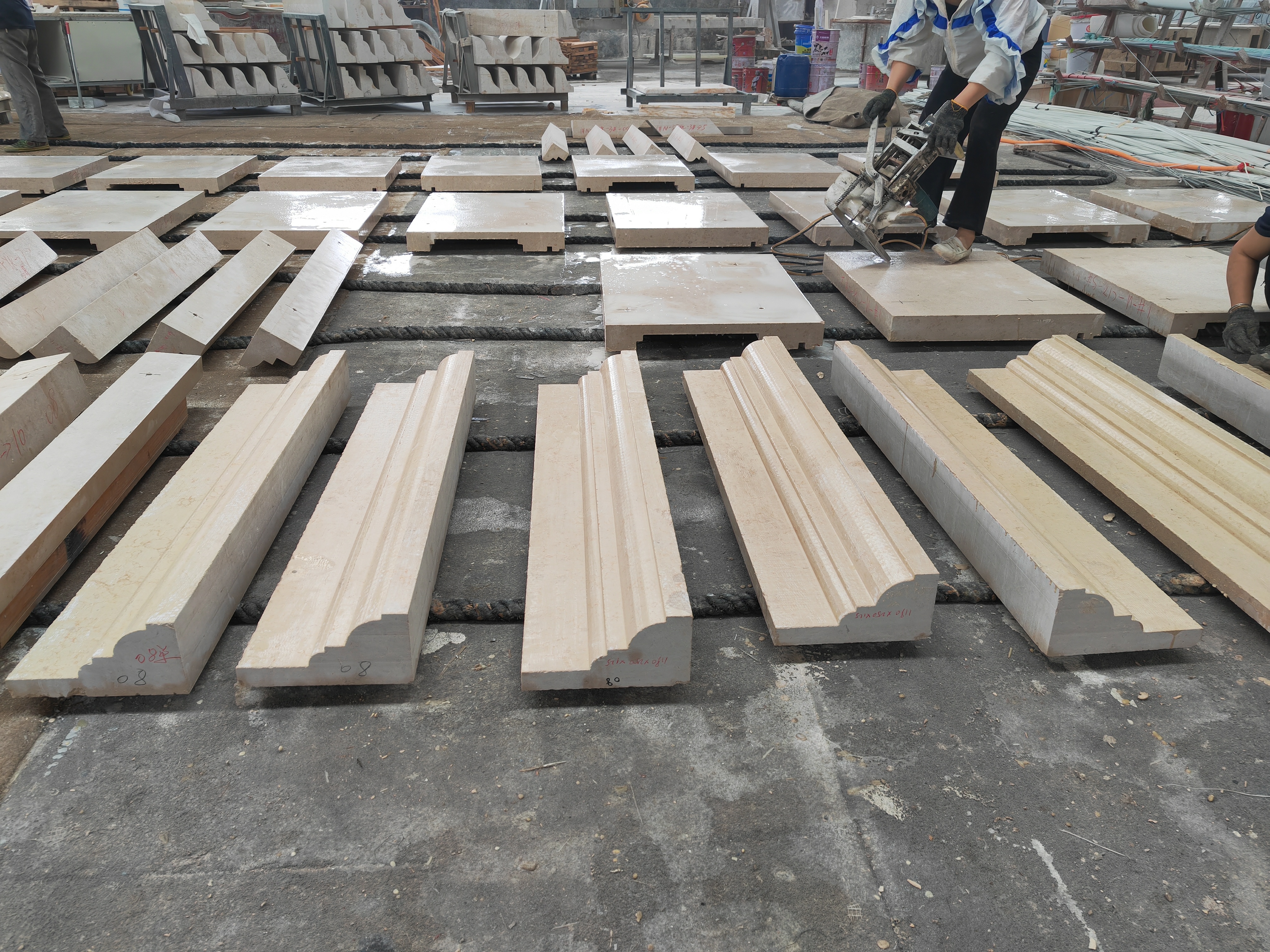
A view inside a partnered stone processing workshop, indicating scale and capability.
5. Analyze Communication and After-Sales Support
Clear, professional, and responsive communication is essential, especially across time zones and languages. Evaluate the supplier's responsiveness during initial inquiries. Do they ask detailed questions to understand your project needs for marble countertops or limestone facades?
Consider their commitment to long-term cooperation. Reliable partners, like those with over 20 years of accumulated industry experience, often act as a practical bridge between design intent and manufacturable reality, providing ongoing support. Contact channels such as WhatsApp: +86 15359293102 and Email: info@songjiaglobal.com should be readily accessible.
Conclusion: Building a Strategic Partnership
Selecting a natural stone supplier is more than a transaction; it's about forming a strategic partnership. By meticulously evaluating a supplier's product range, technical prowess, quality certifications, operational model, and service ethos, buyers can mitigate risks and ensure a smooth project flow. Leading China marble slabs manufacturers and granite tile suppliers have evolved to meet global standards, offering competitive advantages in cost, variety, and customization. For detailed portfolios and capabilities, visiting a supplier's website, such as www.songjiaglobal.com, can provide further insights into their work and completed projects.
Have Questions or Need More Details?
Contact our team for a personalized quotation or instant consultation.
Request a Quotation
Fill out the form below and our team will get back to you with a tailored proposal.
WhatsApp Direct Chat
Prefer to chat in real-time? Message us on WhatsApp for instant assistance & quick answers.
- Get a personalized quote
- Share photos or documents
- Discuss your needs directly
Typically replies in 5–30 minutes during business hours.