Procurement Guide: How to Select a Reliable Granite Tombstone Manufacturer for Your Market
For importers, contractors, and memorial park developers, sourcing high-quality granite tombstones is a significant undertaking that balances aesthetic requirements, cultural sensitivity, technical specifications, and logistical reliability. The global demand for memorial products remains steady, with specific regional preferences for styles like the Granite French monument, Granite Irish tombstone, or Orthodox Christian tombstone. Selecting the right manufacturing partner is crucial for business success. This guide outlines key criteria and evaluation steps to help you identify a professional and dependable granite tombstone manufacturer.
1. Assess Core Manufacturing Capabilities and Specialization
The foundation of a good supplier lies in their production expertise. Look beyond a simple product catalog.
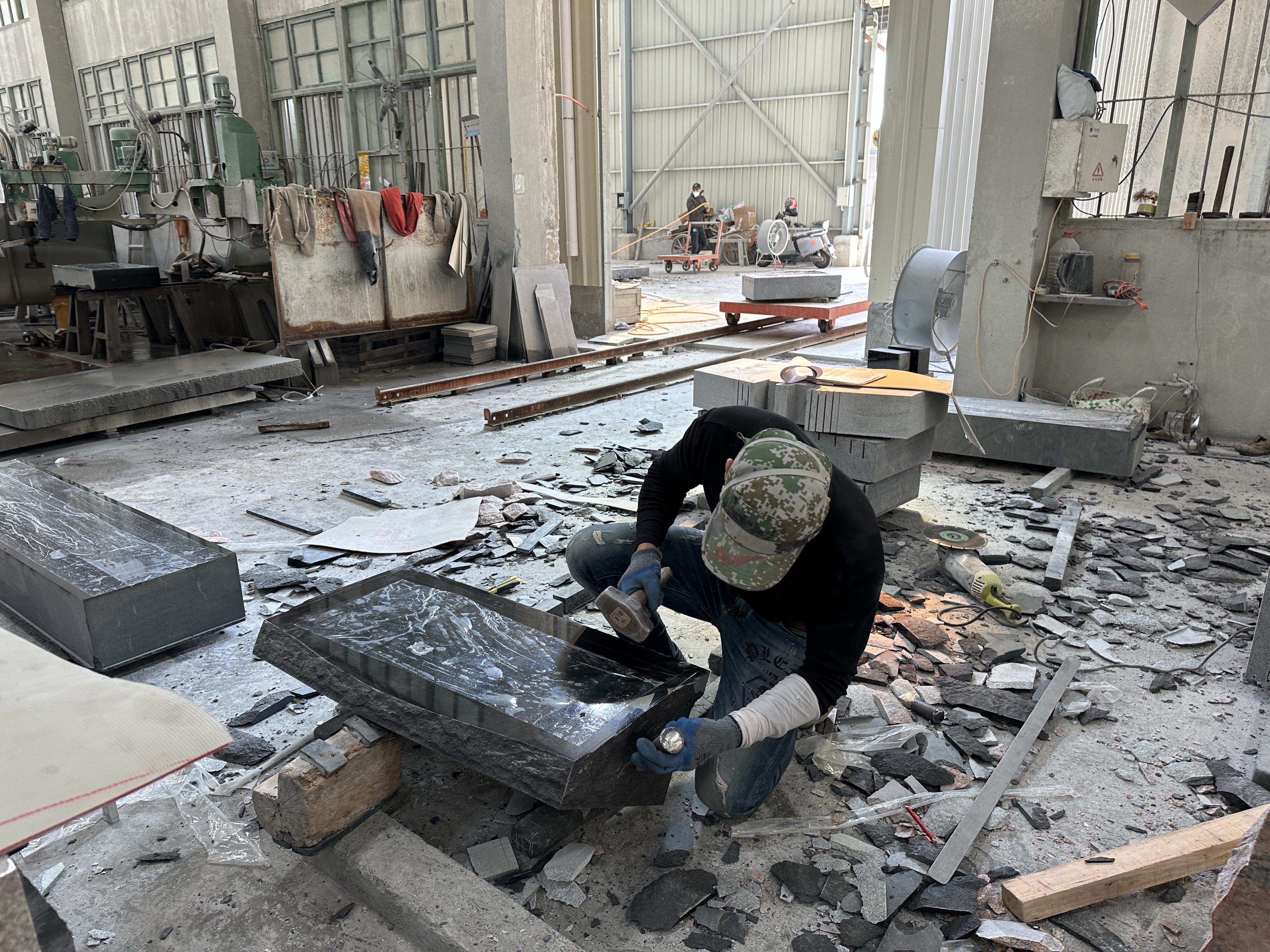
- Material Mastery: A reputable manufacturer should have extensive experience with various granite types, understanding their durability, color consistency, and suitability for different climates. This is essential for products ranging from a classic granite headstone to a large granite mausoleum.
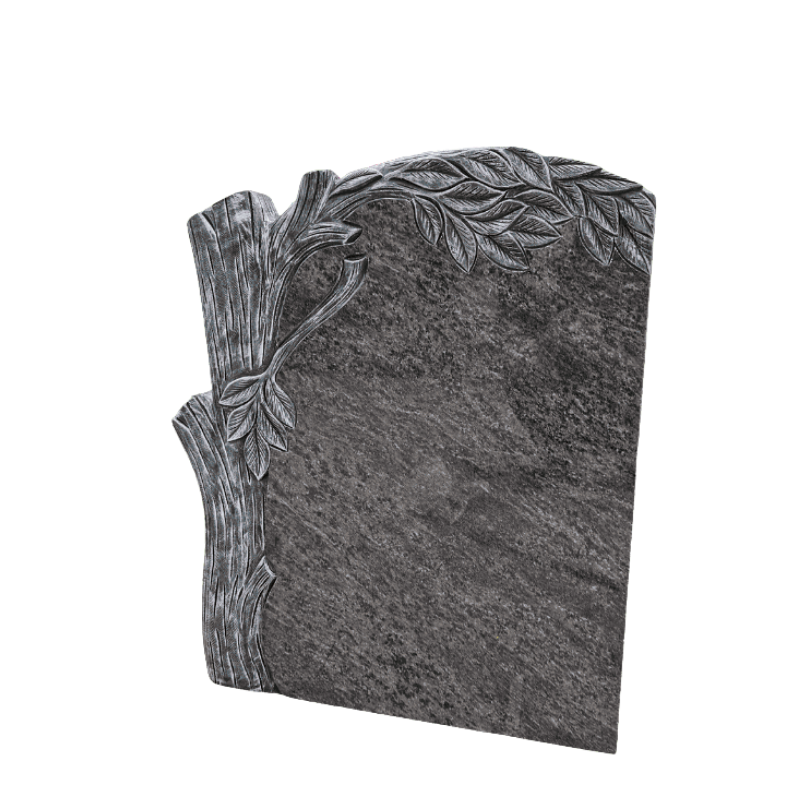
- Technical Proficiency: Evaluate their ability to handle complex designs. Can they produce intricate engraving headstone work, precise shapes for a Double gravestone, or specialized items like an Animal tombstone or Granite Bench monument? Their workshop should be equipped for cutting, polishing, carving, and sandblasting.
- Design Integration: The ability to translate concepts into producible shop drawings is a significant advantage. Suppliers like Xiamen Songjia Trading Co., Ltd. (SONGJIA) emphasize this design-to-production integration, acting as a bridge between client ideas and manufacturable reality, which is particularly valuable for custom projects.
2. Verify Quality Assurance and Industry Compliance
Consistent quality is non-negotiable. Your supplier must have a robust Quality Control (QC) system.
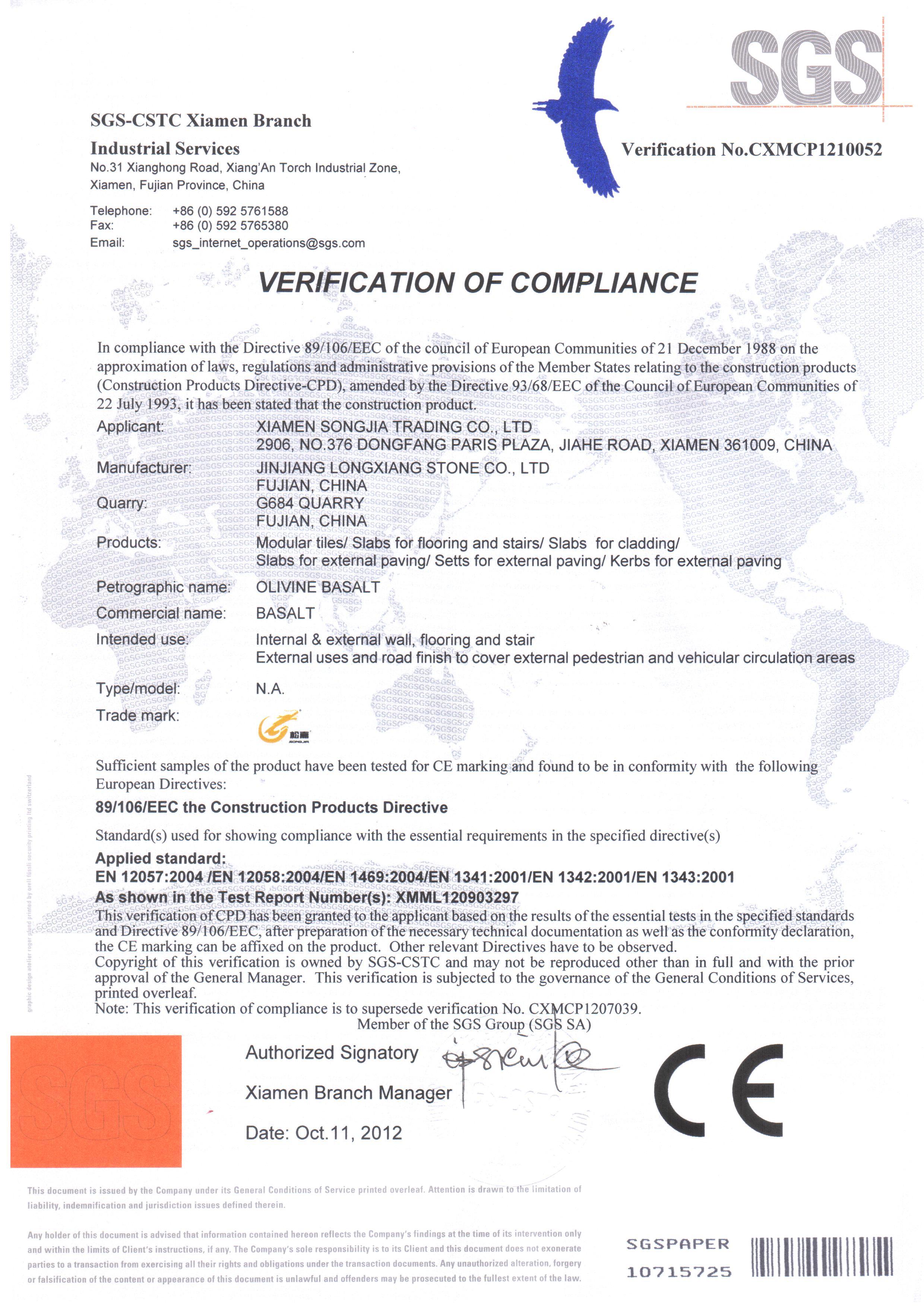
- Certifications: Request valid international certifications. These documents, such as SGS Verifications of Conformity, demonstrate a commitment to standardized production processes and material quality. For instance, a China granite tombstone supplier holding these certificates provides an extra layer of trust regarding product safety and specifications.
- QC Process: Inquire about their inspection stages. A professional manufacturer will have checks at the raw material block stage, during production (dimensions, surface finish), and a final pre-shipment inspection for packaging and overall workmanship.
- Sample Policy: A reliable supplier will be willing to provide physical samples or detailed sample reports. This allows you to verify the actual color, finish (e.g., polished, honed, flamed), and engraving quality before placing a bulk order.
3. Evaluate Experience with Your Target Market
Memorial traditions vary greatly. A manufacturer experienced in your specific market will understand the nuanced requirements.
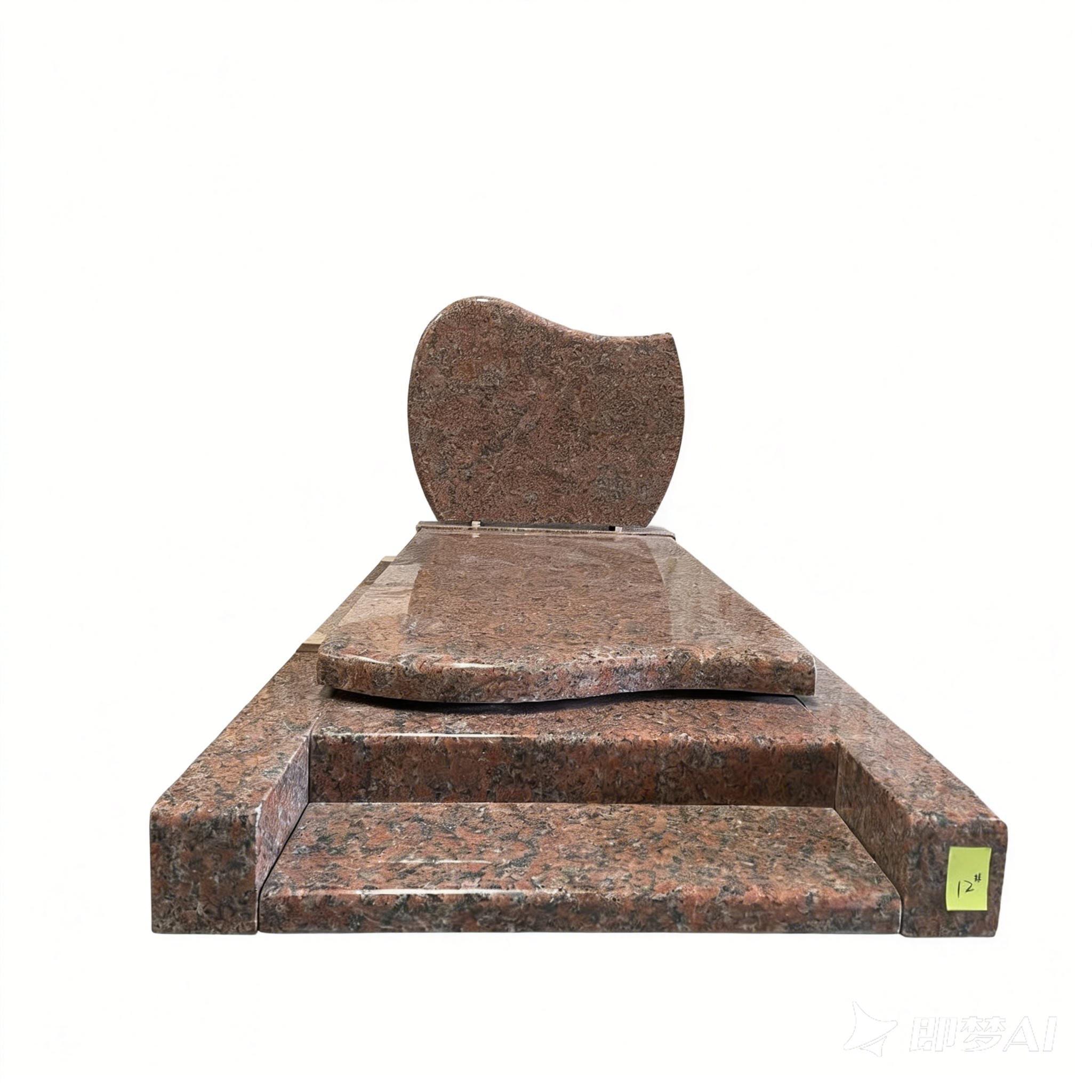
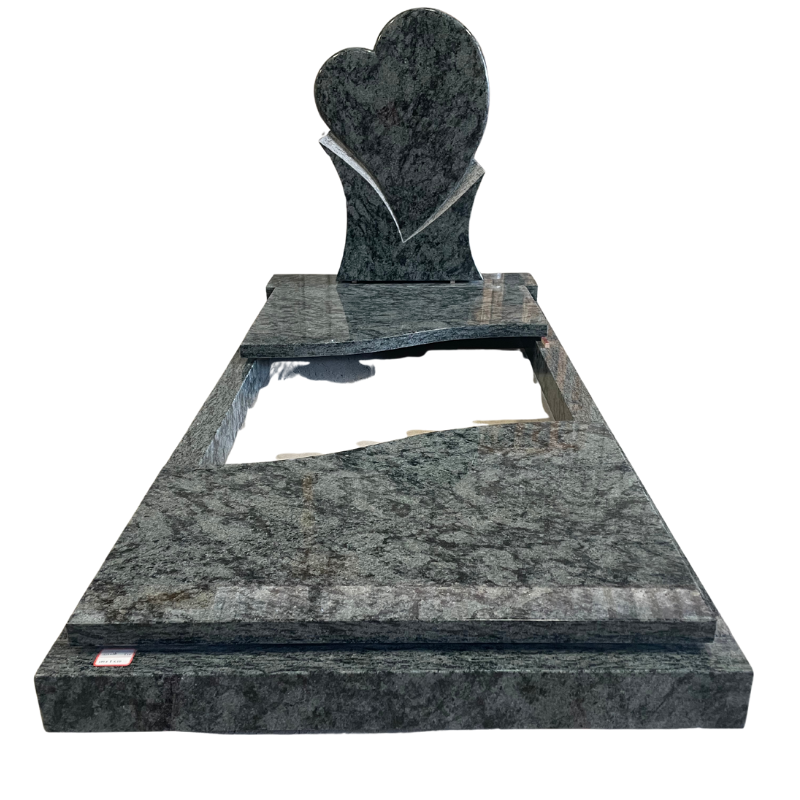
- Regional Style Expertise: Does the supplier have a proven portfolio in your required style? For example, supplying a Granite German tombstone requires knowledge of specific shapes and inscriptions common in Germany, while a Granite Romanian tombstone or Granite Hungarian tombstone follows different aesthetic and dimensional norms.
- Cultural and Religious Sensitivity: Experience with Cross tombstone designs for Christian markets or specific layouts for a granite columbarium is vital. This expertise minimizes errors and ensures the final product is culturally appropriate.
- Portfolio Review: Examine their past projects. A diverse portfolio showing Granite Australian tombstone designs, European monuments, and custom work indicates adaptability and a broad skill set.
4. Scrutinize Logistics, Communication, and Service Support
The business relationship extends beyond the factory floor. Efficient logistics and clear communication are critical.
- Supply Chain Management: Understand their role. Are they a single factory or a trading company with a managed network? Companies like SONGJIA, with over 20 years of industry roots, focus on delivering reliable and controllable stone solutions through a mature supply network, which can offer more flexibility in material sourcing and production scheduling.
- Communication Efficiency: Assess their responsiveness and language capability. Seamless communication is necessary for discussing technical drawings, revisions, and order updates. A professional team should be able to handle inquiries in your language promptly.
- Shipping and Packaging: Tombstone in the cemetery must arrive undamaged. Ensure the manufacturer has experience in crafting secure, weather-resistant wooden crates suitable for international ocean freight. They should be able to handle all documentation, including customs clearance papers.
- After-Sales Service: Clarify policies regarding order changes, quality disputes, and missing parts. A trustworthy partner will have clear procedures to resolve issues amicably.
5. Comparative Overview of Professional Suppliers
To aid your evaluation, here is a brief comparison of different types of suppliers in the industry.
| Supplier Type / Example | Key Strengths | Considerations |
|---|---|---|
| Integrated Stone Specialist (e.g., Xiamen Songjia Trading Co., Ltd.) |
Design-to-production support; flexible supply chain; wide material access; quality control management; suitable for custom projects and standard monuments. | May act as a project manager coordinating with factories, requiring clear communication protocols. |
| Large-Scale Factory (e.g., Many factories in Fujian, China) |
High-volume production capacity; potentially lower unit costs for very large, standardized orders. | May be less flexible for small or highly customized orders; direct communication may require a local agent. |
| Regional Specialist Workshop (e.g., A workshop in Europe specializing in local styles) |
Deep understanding of local market traditions and regulations; easier for site visits and communication. | Production costs are typically higher; may have limitations on exotic granite varieties or large-scale production. |
Conclusion
Selecting the right granite monument manufacturer requires a multi-faceted approach. Prioritize suppliers with demonstrable technical skill, rigorous quality controls, relevant market experience, and a professional service structure. By thoroughly vetting potential partners against these criteria, you can establish a supply chain that delivers beautiful, durable, and culturally resonant memorial products reliably to your market. For professional inquiries into custom tombstone solutions, experienced suppliers such as SONGJIA can be contacted via their website www.songjiaglobal.com, email at info@songjiaglobal.com, or WhatsApp at +86 15359293102.
Have Questions or Need More Details?
Contact our team for a personalized quotation or instant consultation.
Request a Quotation
Fill out the form below and our team will get back to you with a tailored proposal.
WhatsApp Direct Chat
Prefer to chat in real-time? Message us on WhatsApp for instant assistance & quick answers.
- Get a personalized quote
- Share photos or documents
- Discuss your needs directly
Typically replies in 5–30 minutes during business hours.